

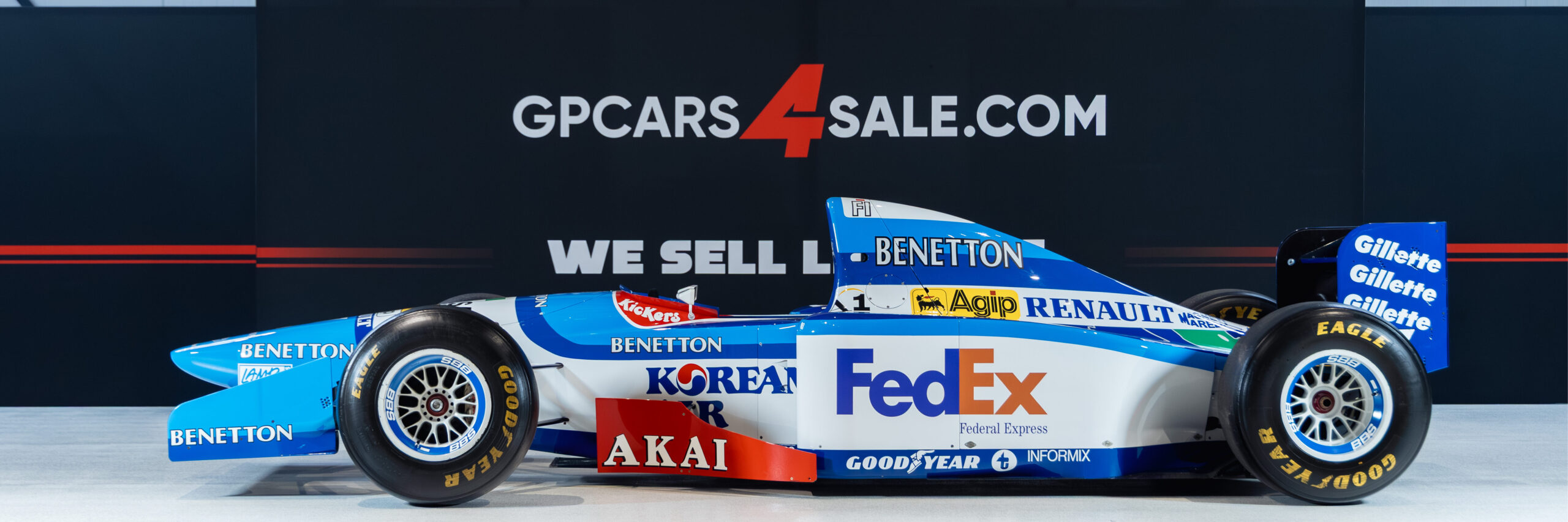
Buying a Real Formula 1 Car? What You Need to Know Before Investing
For many motorsport enthusiasts and collectors, buying a real Formula 1 car represents the ultimate dream. Not just because of the performance or technology, but because of the history, engineering excellence and exclusivity these cars embody.
At the same time, the market for Formula 1 cars is often misunderstood. The term “real F1 car” is used loosely, and not every car offered for sale is what it appears to be. Before making such a significant investment, it is essential to understand what you are actually buying — and what truly matters.
In this article, we explain everything you need to know before investing in a Formula 1 car.
What Is a “Real” Formula 1 Car?
The phrase real Formula 1 car can mean very different things depending on the context. In practice, there are three main categories.
1. Genuine Formula 1 Race Car
This is a chassis built by an official Formula 1 team and used within a genuine F1 programme. It may have been raced, tested, or kept as a spare chassis. These cars have documented provenance and represent the highest level of collectability and historical value.
2. Formula 1 Show Car
Show cars are typically built by teams or partners for promotional use. They look visually correct but were never intended to run. Structurally, they differ significantly from real race cars and are purely static displays.
3. Replica or Tribute
Replica cars are built outside of Formula 1 teams and have no original F1 construction. While often visually impressive, they carry no historical value within the sport.
When searching for “Formula 1 car for sale,” these three categories are often mixed together. Knowing the difference is crucial.
Running, Rolling or Static: What Are You Actually Buying?
Not every Formula 1 car is designed to be driven — and for many collectors, driving is not the primary goal.
-
Running Formula 1 Car
Extremely rare and complex. Often adapted for demonstration runs or track events. Requires specialist maintenance and technical support. -
Rolling Chassis
No engine, but retaining original suspension, monocoque and aerodynamic components. Highly desirable for collectors who value authenticity without the operational complexity. -
Static Display Car
Ideal for exhibitions, offices, showrooms or private collections where visual impact and history matter most.
Each category serves a different purpose and appeals to a different type of collector.
What Should You Look for When Buying a Formula 1 Car?
Buying a Formula 1 car is never an impulse decision. These are the key points to consider:
✔️ Chassis Number & Provenance
The chassis number is everything. Which team built the car? Which season? Was it raced, tested, or used as a show car? Clear provenance defines value.
✔️ Team & Season
Cars from iconic teams or technically interesting transition seasons often attract the strongest long-term interest.
✔️ Originality
Are the bodywork, suspension and details period-correct? Or has the car been assembled later using mixed components?
✔️ Documentation
Invoices, factory confirmation, FIA paperwork or team statements significantly enhance credibility and value.
✔️ Purpose of Ownership
Are you buying for investment, display or driving? Each objective requires a different type of car.
Is a Formula 1 Car a Good Investment?
A genuine Formula 1 car can be a solid long-term investment — but not every car qualifies.
Typically stronger investment potential:
-
Cars with clear, documented history
-
Original chassis built by F1 teams
-
Cars linked to iconic teams, seasons or designs
Less suitable as investments:
-
Replicas
-
Poorly documented cars
-
Cars with unclear or reconstructed provenance
That said, Formula 1 cars should never be purchased purely for financial return. Passion, emotion and appreciation for motorsport heritage are always part of the equation — and often the greatest reward.
Common Mistakes When Buying a Formula 1 Car
-
Assuming every F1 car is drivable
-
Confusing show cars with genuine race chassis
-
Underestimating the importance of provenance
-
Buying without specialist guidance
These mistakes are easily avoided with the right expertise.
Why Buy Through a Specialist?
The Formula 1 car market is small, international and highly specialised. Transparency and trust are essential.
At GP CARS 4 SALE, we guide clients through every step of the process:
-
Access to a global collector network
-
Complete transparency on provenance
-
Clear advice on usability and value
-
Professional support before and after purchase
No confusion. No exaggerated claims. Only genuine cars with honest stories.
Considering Buying a Real Formula 1 Car?
A Formula 1 car is not just a vehicle — it is a piece of motorsport history, engineering excellence and pure emotion.
If you are considering an acquisition or would simply like expert advice, feel free to contact us for an open and knowledgeable conversation.
Optional next steps
If you like, I can:
-
create a short LinkedIn article based on this blog
-
suggest internal SEO links to listings
-
or build a content series (F1 / Group B / Rally / Motorsport investments)